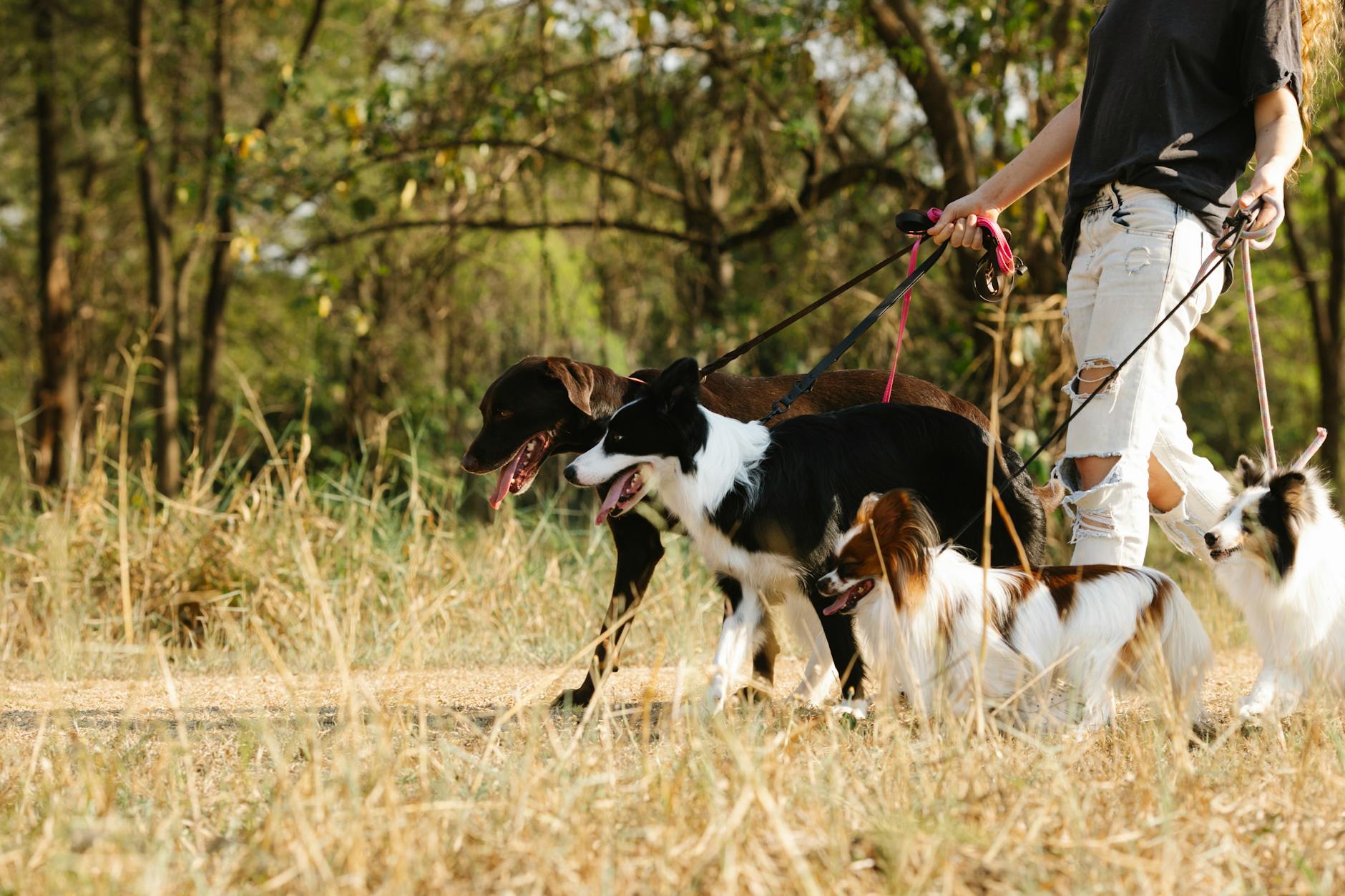
How Good Is Walking as Exercise?
Dog walks serve multiple purposes beyond basic bathroom breaks. According to Dr. Emily Wilson, DVM, a veterinarian at Fuzzy, walks can be interactive experiences where dogs engage with their environment through sniffing and exploration.
Regular exercise, including walks, helps tire out dogs—especially younger ones with high energy levels—resulting in calmer behavior at home.
Consistency matters most. Dr. Wilson emphasizes that a predictable walking routine helps dogs regulate their emotions by allowing them to anticipate their schedule. Walking at the same time each day provides this essential structure.
When Is It Safe to Walk a Puppy?
Vaccination and Disease Prevention
Puppies are vulnerable to highly contagious and life-threatening viruses like parvovirus. Most puppies complete their vaccination series by 16 weeks of age, after which they can safely interact with other animals. Until then, limit exposure to unfamiliar dogs.
According to Dr. Wilson, "It's very important that puppies have had their full series of vaccines, especially in public places. I usually recommend waiting two weeks after their last booster to allow their immune system to fully respond."
Temperature Regulation
Puppies cannot regulate their body temperature effectively, so weather conditions require careful consideration during outdoor activities.
- Summer: Avoid walking puppies on hot asphalt, which can burn their paws and cause overheating.
- Winter: Keep outdoor time limited to quick potty breaks. Provide warm bedding and shelter indoors when temperatures drop.
"If you get a puppy in the summer, make sure you're not walking them on hot asphalt."
How Much Exercise Do Dogs Need?
Exercise needs vary by dog based on age, health, and breed. Use these guidelines for your dog's life stage.
Puppies
Puppies have limited endurance and need potty breaks every 2 to 4 hours. Keep walks short—even a trip around the block may be too far for small breeds.
Before taking full walks, puppies need leash training in a secure space like your backyard. Start with short walks in front of your house and gradually increase distance.
Since puppies often need to relieve themselves after eating, schedule walks around mealtimes to support potty training. A typical routine for a 10-week-old puppy is 10-minute walks two or three times daily. Stick with short, frequent walks for the first few months.
Adult Dogs
If your dog is inactive or out of shape, start with 10 to 15-minute walks. Watch your dog's pace and adjust your speed accordingly—slow down if they're trailing behind, or speed up if they're pulling ahead.
For dogs without health concerns, gradually increase walk length or frequency based on your schedule, your dog's energy level, and personality.
Dogs with mobility issues benefit from short walks to prevent joint stiffness. A harness can help larger dogs move more comfortably.
Senior Dogs
Regular walks keep senior dogs fit and provide mental stimulation through new sights, sounds, and smells. Maintain a slow pace—slow, frequent movement is especially beneficial for dogs with arthritis.
Watch for signs of pain or fatigue: limping, stopping frequently, lying down, heavy panting, or difficulty with curbs. If walks become too long or strenuous, use a wagon or stroller to give your dog a break while they still enjoy enrichment and family participation.
Always consult your veterinarian about your senior dog's exercise routine.
Tips for Walking Your Dog
Training and Bonding
Use positive reinforcement—treats and praise—to train your dog during walks and strengthen your bond over new experiences.
Respecting Your Dog's Comfort Level
According to Dr. Wilson, dogs have different temperaments: some are eager to meet people and explore, while others are shy. Tailor walks to your individual dog's comfort zone to build confidence without overwhelming them.
Protecting Joints in Young and Senior Dogs
Puppies and older dogs are vulnerable to joint wear and tear. Keep a casual pace and prioritize softer surfaces like grass or wooded trails over asphalt and concrete. Dog booties or paw balm can protect against cracked or damaged paws.
Starting High-Impact Activities
Wait until your dog is at least one year old before introducing jogging or bike rides. Dr. Wilson emphasizes this is especially important for larger breeds, which shouldn't experience concussive forces on hard surfaces while still developing.
What Can You Do Besides Walks For Exercise?
Moving with your pet
You don't need to venture far to provide your dog with meaningful exercise. Training at home or in the backyard offers mental enrichment alongside physical activity. After mastering basic commands like sit, stay, and down, progress to more challenging tricks or consider formal obedience training or AKC Rally.
For food-motivated dogs, hide treats around the house or use interactive toys to encourage movement. The key is to experiment with different activities and keep exercise fun and positive. "As dogs get older and evolve, it should be something they look forward to," Dr. Wilson says.
View exercise as preventive care that reduces illness and improves your dog's overall health and well-being.
This article is intended solely as general guidance and does not constitute health or other professional advice. Individual situations and applicable laws vary by jurisdiction. We encourage you to obtain appropriate advice from qualified professionals. We make no representations or warranties regarding actions taken based on this information and will not be liable for any direct, indirect, consequential, special, exemplary, or other damages, including economic loss, injury, illness, or death.